June 26, 2026
What Should Be Noted When OEMing or ODM Stainless Steel Electrical Boxes?
Introduction
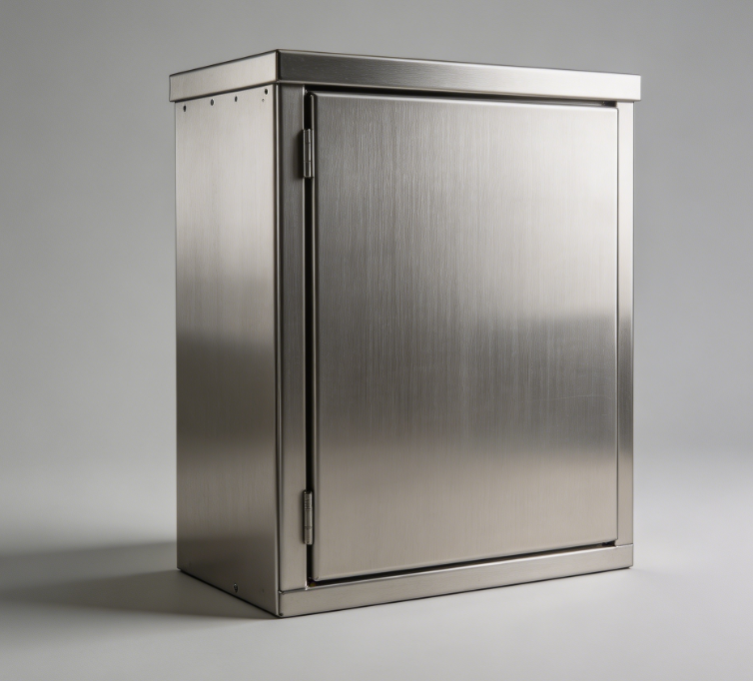
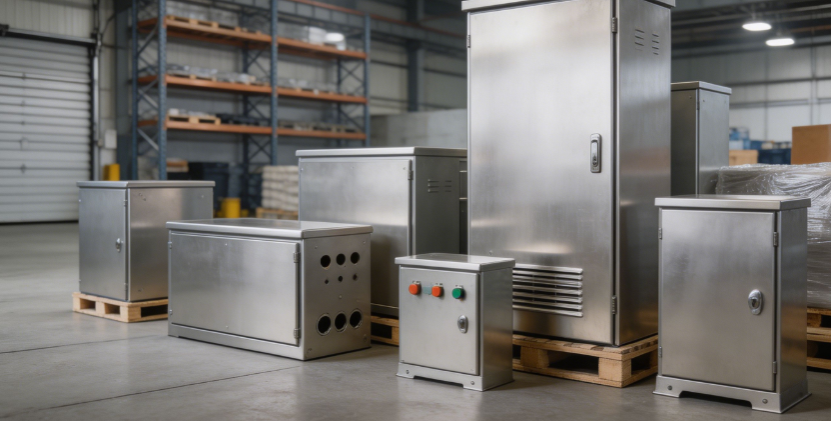
Stainless steel electrical enclosures are specified for applications where corrosion resistance, durability, and hygiene are non-negotiable. They protect critical electrical components in chemical plants, coastal facilities, food processing lines, marine environments, and nuclear power plants. Compared to ordinary carbon steel cabinets, stainless steel enclosures are more adaptable to extreme environments. Under normal use, their service life can reach more than 20 years.
But here's the thing: OEMing or ODMing stainless steel electrical boxes is not the same as ordering standard catalog items. The material is expensive. The manufacturing processes—welding, grinding, finishing—require real skill. And the consequences of getting it wrong range from frustrated installation crews to failed compliance audits to equipment damage in the field.
This guide covers what you need to know before placing that order.
Material Selection: 304 vs. 316 vs. 316L
This is where everything starts. Get the material wrong, and nothing else matters.
304 stainless steel is the workhorse grade. It offers good corrosion resistance for most indoor and outdoor applications. It's cost-effective and widely available. Quality suppliers use 304/316 stainless steel plates that meet the ASTM A240 standard.
316 and 316L stainless steel contain molybdenum, which significantly improves resistance to chlorides and other corrosive agents. For many enclosures, 316L is the preferred material for long-term corrosion resistance. It's specified for medical equipment, food processing, and marine applications where corrosion resistance is critical.
When evaluating suppliers, verify that they conduct alloy composition testing on incoming raw materials. Reputable manufacturers use spectrometers to verify composition and perform hardness tests to ensure compliance. Request mill certificates to confirm compliance with ASTM or ISO standards.
Some suppliers may offer lower-grade stainless steel—such as 201—at a reduced price. For critical applications, specify the grade explicitly in your purchase agreement and require documentation.
Thickness matters too. Stainless steel plates typically range from 1.2mm to 3.0mm, customized on demand. Thinner material reduces cost but compromises rigidity and durability. For enclosures that will support heavy components or endure mechanical stress, specify adequate thickness.
IP and NEMA Ratings: Knowing What You Actually Need
This is where buyers frequently over-specify or under-specify.
IP ratings (Ingress Protection) are defined by IEC 60529. The first digit indicates protection against solids; the second against liquids.
IP Rating | Solids Protection | Liquids Protection |
IP54 | Limited dust ingress | Splashing water |
IP65 | Dust-tight | Water jets |
IP66 | Dust-tight | Powerful water jets |
IP67 | Dust-tight | Temporary immersion |
IP68 | Dust-tight | Continuous immersion |
NEMA ratings are used primarily in North America. Type 4X is the standard for stainless steel enclosures, indicating protection against corrosion, hose-directed water, and ice formation. NEMA 4X enclosures are designed for areas that may be regularly hosed down or are in very wet conditions. Many stainless steel enclosures comply with both NEMA 4X and IP66.
Ask your supplier which standards their products have been tested against. Reputable suppliers provide third-party test reports validating these claims. If your application involves high-pressure washing or chemical exposure, verify that the enclosure's rating matches the actual conditions—not just the theoretical ones.
Manufacturing Process: Where Quality Is Made or Broken
The performance of a stainless steel enclosure depends as much on how it's made as on what it's made of.
Welding is the critical step. Professional welders use argon arc welding or gas shielded welding to ensure welds are uniform and defect-free. Continuously welded seams—rather than spot-welded or intermittent seams—are essential for achieving IP66 and NEMA 4X ratings. Weld strength should reach more than 85% of the parent material.
Grinding and finishing determine the final appearance and corrosion resistance. After welding, post-weld grinding removes burrs and protrusions. The grinding process must be done carefully—no obvious sand holes, deep scratches, or sanding marks are allowed. Weld seams are ground down and hand-finished to match the grained finish of the rest of the cabinet.
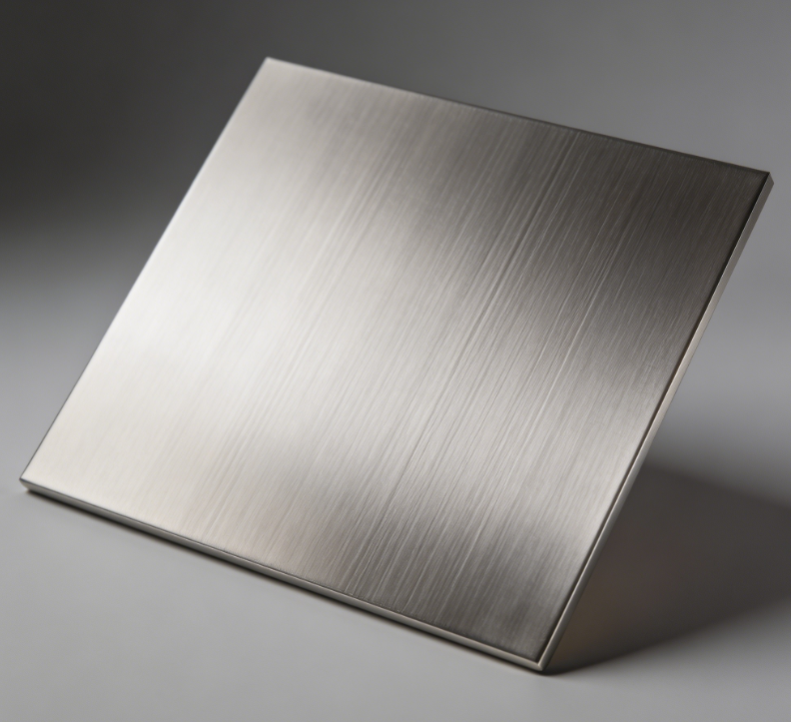
Surface treatment adds another layer of protection. Common finishes include brushing, polishing, and sandblasting. Mechanical or electrolytic polishing pretreatment removes oil and oxide layers to improve surface rust resistance.
Some suppliers also apply passivation treatment after inspection to enhance corrosion resistance. Passivation removes free iron from the surface and allows a protective oxide layer to form.
For buyers, this means verifying that the supplier has the right equipment and expertise. CNC laser cutting with ±0.1mm accuracy and CNC bending with angle error within ±0.5° indicate precision capability. In-house welding and finishing facilities—rather than outsourced work—provide better quality control.
Customization: Dimensions, Cutouts, and Internal Layout
This is where OEM/ODM projects differ most from off-the-shelf purchases.
Dimensions and shape. Custom sizes can be manufactured to respond to tight spaces or specific project requirements. Provide detailed drawings in CAD or PDF format, and 3D models in SolidWorks or STEP format. The more precise your specifications, the fewer surprises.
Cutouts and cable entries. Specify the location and size of all openings—for cable glands, conduits, ventilation, and mounting. Some suppliers offer custom hole drilling and cutouts as part of their standard OEM service.
Internal mounting. Consider how components will be arranged inside. DIN rails, mounting plates, busbars, and terminal blocks all require space and positioning. Internal layout affects heat dissipation, accessibility for maintenance, and overall functionality.
Hinges, locks, and hardware. Stainless steel hardware—hinges, latches, locking mechanisms—maintains corrosion resistance across the entire enclosure. Some suppliers offer waterproof hinges, insect-proof vents, and custom labeling.
Branding. Custom logos, nameplates, and labels can be applied through laser engraving, UV printing, or graphic overlays.
Certifications and Compliance: The Non-Negotiable List
Before you commit to a supplier, verify their certifications.
ISO 9001 indicates a quality management system. Many established manufacturers hold ISO 9001 certification.
UL certification means the enclosure has been evaluated against defined safety and performance requirements. UL 508A is a common standard for industrial control panels. UL 50 and UL 50E cover enclosures for electrical equipment.
CE marking indicates compliance with European safety, health, and environmental requirements.
RoHS compliance restricts the use of hazardous substances.
IEC/EN standards such as 62208, 61439, and 60529 are relevant for enclosures sold in international markets.
Some suppliers hold multiple certifications—UL, CUL, TUV, EAC, SGS, UKCA, CE, and RoHS. This breadth indicates a commitment to quality and export capability.
For hazardous environments, additional certifications may be required—such as ATEX or IECEx for explosive atmospheres.
Supplier Evaluation: What to Look For
Choosing the right manufacturing partner requires more than comparing unit costs.
Technical capability. Does the supplier offer full OEM/ODM services, including CAD-based design validation, 3D modeling, and prototype testing before mass production? Can they interpret 3D mechanical drawings and provide Design for Manufacturability feedback?
Production capacity. What is their monthly output? Established manufacturers often exceed 50,000 units per month. If your order is large, verify that the supplier can scale.
Quality control. Reputable manufacturers conduct multiple inspections: appearance inspection, IP protection testing, airtightness inspection, and salt spray resistance tests for special applications. Ask about their QC process—do they conduct in-line inspections during production?
On-time delivery. A minimum of 95% on-time delivery suggests reliable planning and execution. Ask for delivery performance data.
Response time. Suppliers who respond within 3–5 hours typically have dedicated sales engineers and CRM systems. Fast responses often indicate better overall communication.
Vertical integration. Suppliers with in-house CNC punching, laser cutting, welding, and finishing capabilities maintain tighter control over quality and lead times. Proximity to major ports further reduces shipping lead times.
FAQ
Q: What's the difference between OEM and ODM for electrical enclosures?
A: OEM (Original Equipment Manufacturer) means you provide the design and the supplier manufactures it to your specifications. ODM (Original Design Manufacturer) means the supplier designs and manufactures the enclosure based on your requirements—they handle the engineering and development. ODM is suitable when you have functional requirements but no detailed design.
Q: How many samples should I request before placing a bulk order?
A: Request production samples—not just showroom samples—for evaluation before mass production. For critical projects, consider a pilot production run that represents a portion of your total volume. This allows you to verify quality, fit, and finish before committing to the full order.
Q: What's the typical lead time for custom stainless steel electrical enclosures?
A: Lead times vary based on complexity and volume. Standard production may take 25–45 days post-design approval. Custom designs with complex machining or finishing may require longer. Factor in shipping time—particularly for sea freight—when planning procurement.
Q: How do I verify a supplier's quality claims?
A: Request third-party test reports for IP ratings, material composition, and certifications. Verify ISO 9001, UL, CE, and other certifications through independent databases. If possible, conduct a factory audit—virtual or in-person—to assess capabilities firsthand.
Q: What's the most common mistake buyers make?
A: Under-specifying the enclosure's operating environment. Many buyers choose 304 stainless steel when 316L is required, or specify IP65 when the application actually demands IP66. Take the time to document the full range of conditions the enclosure will face—temperature extremes, chemical exposure, washdown frequency, mechanical impact—and specify accordingly.
Q: Are stainless steel enclosures worth the higher cost compared to painted steel?
A: For applications in corrosive environments, yes. Stainless steel's natural corrosion resistance means it doesn't require additional coating protection, greatly reducing maintenance frequency and cost. Over a 20-year service life, the total cost of ownership often favors stainless steel over painted alternatives that require periodic recoating or replacement.
Conclusion
OEMing or ODMing stainless steel electrical boxes is not a transaction—it's a partnership. The decisions you make about material grade, protection ratings, manufacturing processes, and supplier selection will determine whether your enclosures perform reliably for decades or fail prematurely.
Start with a clear specification of your operating environment. Choose the right material grade—304 for general use, 316 or 316L for corrosive conditions. Verify that your supplier has the welding, grinding, and finishing capabilities to deliver consistent quality. Confirm certifications and test reports. And never skip the sample evaluation phase.
With the right partner and the right specifications, stainless steel electrical enclosures deliver exceptional durability, corrosion resistance, and long-term value. Get it wrong, and you'll be replacing them far sooner than you planned.